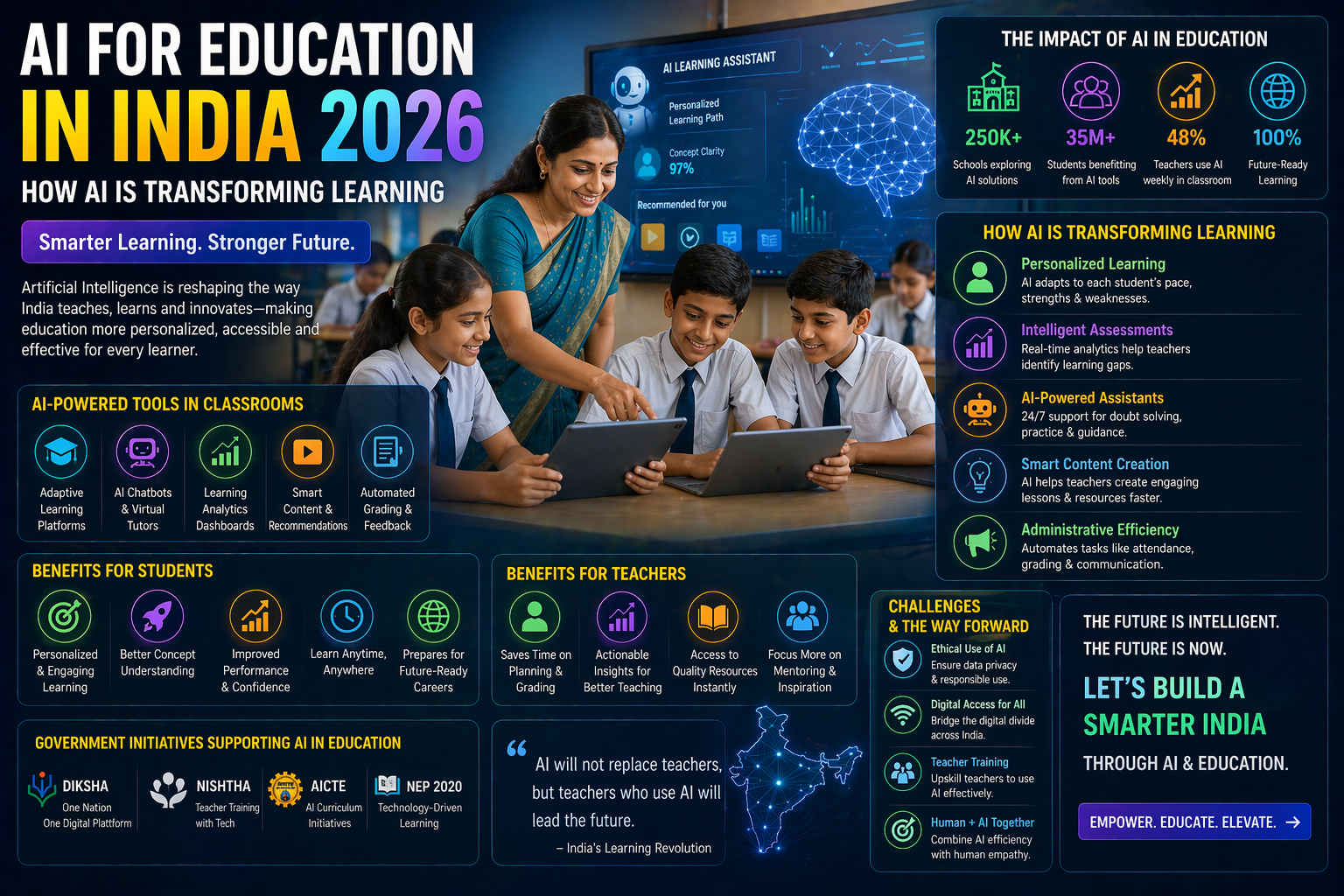
You’re staring at a mountain of UPSC study material, feeling overwhelmed by the sheer volume of facts, current affairs, and answer-writing practice. Traditional coaching feels rigid, expensive, and slow to adapt to your needs. What if your study tool could learn with you, pinpoint your weak areas, and adjust in real time? That’s exactly what AI tuition for UPSC 2026 offers—personalized, adaptive, and available anytime, anywhere.
Why This Matters: UPSC Prep in the Age of AI
UPSC isn’t just another exam—it’s a marathon that tests your knowledge, writing skills, and mental stamina. In 2026, AI-powered tuition tools are changing the game by making preparation smarter, faster, and more personalized. Instead of memorizing endless notes, you get a real-time mentor that adapts to your learning style, tracks your progress, and gives instant feedback on your answers. Imagine knowing exactly where you’re losing marks before you even submit your mock test.
For students juggling college, jobs, or coaching classes, AI tuition offers flexibility without compromise. You can study at your own pace, focus on weak areas, and even practice answer writing with AI-powered OCR tools that grade your responses instantly. No more waiting weeks for feedback—just immediate insights to help you improve.
How AI Tuition for UPSC Works: The Tech Behind the Magic
1. Personalized Study Plans That Evolve With You
AI tuition platforms use machine learning algorithms to analyze your performance across mock tests, quizzes, and answer-writing sessions. They don’t just track your scores—they identify patterns in your mistakes. For example:
- If you consistently lose marks in Polity’s constitutional provisions, the AI will generate targeted quizzes on those topics.
- If your essay writing lacks structure, it will provide templates and examples tailored to your writing style.
- If you struggle with current affairs, it will curate daily digests based on your weak areas.
This isn’t just about replacing human teachers—it’s about augmenting their efforts. AI handles the repetitive tasks (like grading MCQs or tracking progress), freeing up your mentor to focus on strategy and mentorship.
2. Instant Answer Feedback: Your 24/7 UPSC Mentor
One of the biggest frustrations in UPSC prep is waiting for answer sheets to be evaluated. AI tuition tools solve this with OCR (Optical Character Recognition) and NLP (Natural Language Processing):
- OCR for Mains Answers: Upload your handwritten or typed answers, and the AI will grade them instantly based on UPSC’s evaluation criteria (structure, content, language).
- NLP for Essay Writing: The AI checks for coherence, argument strength, and even suggests improvements in real time.
- Vocabulary & Grammar Check: Avoid silly mistakes that cost marks with AI-powered language suggestions.
This means you can practice answer writing daily without relying on human evaluators—and get feedback within seconds.
3. Adaptive Learning: Study What You Need, When You Need It
AI tuition platforms don’t follow a fixed syllabus—they adapt to your progress. For example:
- If you’re strong in Economics but weak in Environment, the AI will reduce Economics drills and increase Environment modules.
- If you’re preparing for Prelims, it will generate timed mock tests that mimic the actual exam pressure.
- If you’re in the Mains phase, it will focus on answer-writing drills and case study practice.
This dynamic adjustment ensures you’re always working on the right things at the right time—no more wasting hours on topics you’ve already mastered.
AI Tuition vs. Traditional Coaching: Which Wins in 2026?
Let’s break it down:
| Feature | Traditional Coaching | AI Tuition (2026) |
|---|---|---|
| Personalization | One-size-fits-all batches; limited individual attention. | Adapts to your strengths, weaknesses, and learning pace. |
| Feedback Speed | Weeks for answer sheet evaluation. | Instant OCR grading and NLP feedback. |
| Cost | ₹50,000–₹2,00,000 per year. | Free or low-cost (many platforms offer free tiers). |
| Flexibility | Fixed timings; hard to reschedule. | Study anytime, anywhere—no rigid schedules. |
| Current Affairs | Generic daily news updates. | Curated based on your weak areas and exam relevance. |
| Answer Writing Practice | Limited mock tests; slow evaluation. | Unlimited practice with instant AI grading. |
Verdict: AI tuition isn’t here to replace traditional coaching—it’s here to enhance it. The best approach? Use AI for daily practice, instant feedback, and adaptive learning, while relying on coaching for strategy, mentorship, and doubt-clearing.
Real-World Success Stories: How AI Tuition is Changing UPSC Prep
In 2025, a UPSC aspirant from Delhi used an AI-powered answer-writing tool to practice 100+ Mains answers in 3 months. The AI graded each answer and highlighted recurring mistakes—like poor structure in essays or lack of data in GS answers. By the time she appeared for the actual exam in 2026, she had refined her writing style and improved her score by 30 marks in GS Paper 2.
Another example: A working professional in Mumbai struggled with time management. The AI tuition platform generated a 300-day study plan that fit his schedule, breaking down daily tasks into manageable chunks. He cleared Prelims in his first attempt and is now using AI tools to practice answer writing during lunch breaks.
These aren’t isolated cases. Across India, UPSC aspirants are leveraging AI to stay ahead of the curve, reduce stress, and improve efficiency.
What If You Changed This? 3 AI Tuition Experiments to Try
AI tuition isn’t just about passive learning—it’s about interactive experimentation. Here are three ways to use AI tools to test different study strategies:
1. The “Weak Area Focus” Experiment
What to do: Use an AI platform to identify your top 3 weak areas (e.g., Science & Tech, World History, Essay Writing). Spend 2 weeks only on these topics, using AI-generated quizzes and mock tests.
What to observe: Did your scores improve? Did the AI’s explanations help you understand concepts better? If yes, this strategy could be a game-changer for your prep.
2. The “Answer Writing Marathon” Experiment
What to do: Set a goal to write 5 Mains answers per day for a week. Use an AI tool to grade each answer and track your progress in structure, content, and language.
What to observe: Did your answers become more concise? Did the AI’s feedback help you avoid repetitive mistakes? If your writing improved, this could be your secret weapon for Mains.
3. The “Current Affairs Filter” Experiment
What to do: Instead of reading all current affairs, use an AI tool to filter news based on UPSC’s syllabus. Focus only on relevant topics (e.g., government schemes, international relations) for a month.
What to observe: Did you retain more information? Did your Prelims scores improve? If yes, this could save you hundreds of hours of aimless reading.
Pro tip: After each experiment, use the AI tool’s progress tracker to measure your improvement. Adjust your strategy based on what works best for you.
Try This Simulation Free
Open the interactive simulation on anAIza School — no download, no signup needed.
Open Simulation →Change the variables yourself — see what happens in real time.