Home›
Blog›
Drone Technology Course for Students India 2026: Learn by Flying in Virtual Labs
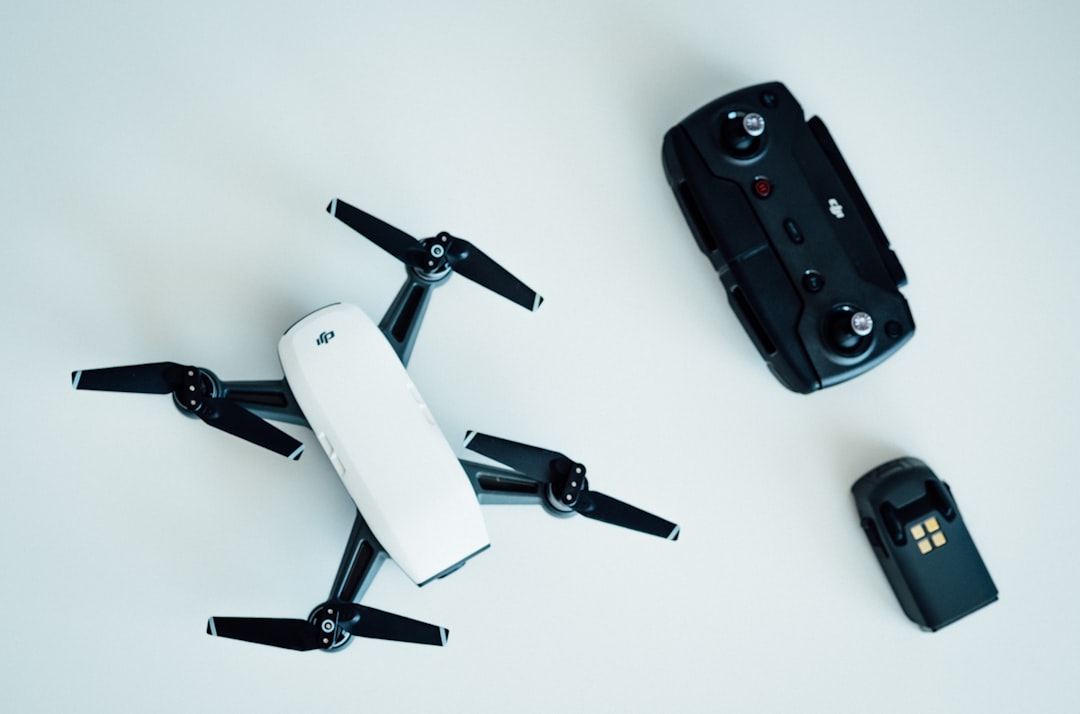
Imagine your students not just reading about drones, but actually programming, flying, and troubleshooting them in real time — all within a safe, interactive virtual lab. That’s exactly what a drone technology course for students in India looks like in 2026. No heavy hardware. No risk of crashes. Just pure, hands-on learning powered by AI.
Whether you're a student curious about robotics, a teacher looking for engaging STEM content, or a school administrator planning future-ready labs, this guide shows how AI-powered simulations are making drone education accessible, curriculum-aligned, and exciting for Indian classrooms.
Why This Matters: Drones Are the Future of STEM in India
From agriculture to disaster response, drones are transforming industries across India. The Ministry of Education and NCERT have emphasized the need to integrate emerging technologies like drone technology into school curricula through initiatives like NEP 2020. A drone technology course for students in India isn’t just about fun — it’s about building future-ready skills in AI, robotics, coding, and problem-solving.
Students who learn drone programming today could be designing autonomous delivery systems, mapping disaster zones, or even contributing to India’s space and defense sectors tomorrow. And the best part? You don’t need a lab full of drones to start. With virtual robotics labs for kids in India, every student can experience the thrill of flight — from their classroom or home.
Drone Technology Course for Students India 2026: What You’ll Learn
A modern drone technology course for students in India blends theory with hands-on simulation. Here’s what’s included:
1. Drone Basics: Physics, Mechanics, and Aerodynamics
Students learn how drones fly using principles of physics — lift, thrust, drag, and gravity. Interactive simulations let them adjust rotor speed, wing angle, and payload to see how each change affects flight stability. It’s like a wind tunnel in your browser.
For example, in a drone lab for schools in India, students can simulate a quadcopter’s takeoff, hover, and landing by tweaking parameters like motor power and battery voltage. Real-time graphs show thrust vs. weight, helping them understand why some drones crash and others soar.
2. Drone Programming: From Blocks to Python
Coding is at the heart of modern drone tech. Students start with block-based programming (like Scratch) to control drone movements, then progress to Python or C++ for autonomous flight. A drone programming course for kids in Indian schools often uses visual logic blocks that compile into real drone commands.
In a virtual robotics lab for kids in India, students can write a simple script to make a drone follow a path, avoid obstacles, or even deliver a virtual package. The AI tutor gives instant feedback: “Your drone turned too sharply — reduce yaw speed.”
3. AI and Sensor Integration
Drones today use AI for object detection, path planning, and real-time decision-making. Students can train simple AI models to recognize colors, shapes, or even faces using onboard cameras. This is where a drone technology course for students in India becomes a gateway to AI literacy.
For instance, in a simulation, students can program a drone to identify a red object and land near it — all using a simulated camera and AI model. No physical hardware needed.
4. Real-World Applications: Mapping, Agriculture, and Disaster Response
Students explore how drones are used in India’s farming (crop monitoring), healthcare (medical delivery in remote areas), and disaster management (flood mapping). They simulate real missions: mapping a virtual farm, delivering supplies to a flood zone, or inspecting a damaged bridge.
This connects classroom learning to India’s national priorities — making STEM education both meaningful and career-oriented.
How AI-Powered Virtual Labs Make Drone Learning Real
Traditional labs require expensive drones, batteries, and safety gear. AI-powered virtual robotics labs for kids in India eliminate these barriers. Here’s how they work:
- Interactive 3D Simulations: Students control a virtual drone in a realistic environment — cities, forests, or even Mars.
- AI-Powered Explanations: After each flight, the AI explains what happened: “Your drone tilted left because the left motor was underpowered.”
- Curriculum Mapping: Lessons align with CBSE, ICSE, and NEP 2020 standards — perfect for teachers planning lessons.
- No Setup Required: Just open a browser. No downloads, no hardware, no risk.
⚗
Try This Simulation Free
Open the interactive simulation on anAIza School — no download, no signup needed.
Open Simulation →Change the variables yourself — see what happens in real time.
In this simulation, students can adjust drone parameters like rotor speed, payload weight, and wind conditions. The AI instantly shows the effect on stability, altitude, and battery life — turning abstract physics into something they can see and feel.
A school-ready drone lab for schools in India includes:
For Students (Grades 6–12):
- Module 1: Introduction to Drones – History, types, and uses in India.
- Module 2: Drone Physics – Aerodynamics, forces, and stability (CBSE Class 8–10 Science).
- Module 3: Coding Drones – Block-based and Python programming (CBSE AI Curriculum).
- Module 4: AI and Sensors – Object detection, path planning, and autonomous flight.
- Module 5: Real-World Projects – Design a drone mission: map a park, deliver supplies, or monitor traffic.
For Teachers:
- Lesson Plans & Quizzes: Pre-built, curriculum-mapped activities.
- Progress Tracking: Dashboard shows which students mastered lift, coding, or AI concepts.
- Safety Guidelines: Virtual labs include safety protocols for real-world drone use.
- Assessment Tools: Auto-generated quizzes and project rubrics.
All content is aligned with NEP 2020 goals: experiential learning, interdisciplinary thinking, and skill-based education.
What If You Changed This? 3 Hands-On Experiments to Try
Don’t just watch — experiment. Here are three “what-if” scenarios to try in your virtual drone lab:
1. What if the drone’s battery drains faster than expected?
In the simulation, reduce battery capacity by 30%. What happens to flight time? Can you adjust the payload to compensate? The AI explains: “Lower battery = less power = slower response. Try reducing weight or increasing motor efficiency.”
2. What if there’s a strong crosswind?
Enable wind simulation and set it to 15 km/h from the left. Can your drone maintain course? Try increasing rotor speed on the left side. The AI shows the drone tilting — a real-world lesson in stability control.
3. What if you add a camera and AI object detection?
Program the drone to detect red objects and land near them. Use the AI model trainer to train a simple classifier. The simulation shows the drone scanning the ground, identifying the target, and landing — all in real time.
These experiments turn passive learning into active discovery — the core of STEM education in India.
Frequently Asked Questions
What is a drone technology course for students in India?
A drone technology course for students in India is a STEM-based learning program that teaches students how drones work, how to program them, and how to apply them in real-world scenarios using interactive simulations and AI-powered tools. It’s designed to be hands-on, curriculum-aligned, and accessible without physical hardware.
Can I learn drone programming at school in India using a virtual robotics lab?
Yes! A virtual robotics lab for kids in India like anAIza School lets you write code, simulate drone flights, and see results in real time — all from a browser. No drones, batteries, or risk of crashes required.
Is there a drone lab for schools in India that uses AI?
Absolutely. Platforms like anAIza School offer AI-powered drone labs where students can program drones, train AI models for object detection, and get instant feedback from an AI tutor. These labs are aligned with CBSE and NEP 2020 standards.
How do drone programming courses for kids in Indian schools work?
Drone programming courses start with visual block coding (drag-and-drop logic) and progress to text-based languages like Python. Students write commands to control drone movement, then test them in a 3D simulation. The AI explains errors and suggests fixes — making learning intuitive and fun.
Are there free drone simulation tools for students in India?
Yes! anAIza School offers free interactive drone simulations with AI explanations, no signup required for guest access. You can adjust parameters, fly virtual drones, and learn physics and coding instantly.
Can a school set up a drone lab in India using virtual labs?
Yes — and it’s cost-effective and scalable. A drone lab for schools in India can be fully virtual, using AI-powered simulations. Schools save on hardware, maintenance, and safety risks while delivering high-quality STEM education aligned with NEP 2020.
What skills do students gain from a drone technology course in India?
Students gain skills in physics (aerodynamics), coding (Python, block-based logic), AI (machine learning, object detection), problem-solving, and real-world application design. These are future-ready skills valued in engineering, agriculture, defense, and tech industries.
Is drone technology part of the CBSE AI curriculum?
Drone technology is not yet a standalone subject in CBSE, but it is strongly supported through the CBSE AI Curriculum for Classes 9–12. Topics like sensors, automation, and autonomous systems directly relate to drone tech. Schools can integrate drone simulations into AI, Physics, and Computer Science projects.
Can I use a virtual robotics lab for drone education at home?
Yes! Virtual robotics labs are designed for self-learning. Students can access drone simulations anytime, experiment with coding, and get AI feedback — perfect for homework, projects, or weekend learning.
What’s the difference between a drone lab and a robotics lab for school in India?
A drone lab focuses on flying robots (UAVs) and their applications in air. A robotics lab covers ground robots, robotic arms, and automation. Many platforms, like anAIza School, combine both — letting students explore drones, robotic arms, and AI in one place.
Are there STEM robotics labs in Indian schools that include drones?
Yes! Modern STEM robotics labs for school in India often include drone modules. These labs teach coding, physics, and engineering through hands-on simulations of drones, robotic arms, and autonomous systems — all in one platform.
How does NEP 2020 support drone education in Indian schools?
NEP 2020 emphasizes experiential learning, skill development, and interdisciplinary education. Drone technology aligns perfectly by combining physics, coding, AI, and real-world problem-solving. Schools using AI-powered simulations are fully compliant with NEP’s vision of future-ready education.
Can I learn drone coding online for free in India?
Yes! Platforms like anAIza School offer free drone coding simulations with AI tutors. Students can write code, simulate flights, and get instant feedback — all without any cost or hardware.
What kind of AI explanations are given in drone simulations?
After each flight or experiment, the AI explains what happened: “Your drone crashed because the right motor was 20% weaker. Try increasing its power or reducing payload.” It also suggests next steps and connects concepts to curriculum standards.
Ready to Launch Your Drone Learning Journey?
The future of education isn’t just about reading — it’s about doing. A drone technology course for students in India powered by AI simulations turns abstract concepts into real experiences. Students don’t just learn about drones — they become drone engineers, coders, and innovators.
And the best part? You can start today — for free. No lab. No drones. Just curiosity and a browser.
Explore the future of STEM learning now.
Note: All simulations and tools mentioned are part of anAIza School by SPYRAL, an AI-powered interactive science and math simulation platform used globally.